
Public
Understanding the psychological impacts of risk perception in gambling
Understanding the psychological impacts of risk perception in gambling
The Nature of Risk Perception in Gambling
Risk perception is a complex psychological construct that influences how individuals evaluate the potential outcomes of gambling activities. When players engage in gambling, they often assess the risks involved, weighing the likelihood of winning against the probability of losing. This evaluation is not merely a mathematical calculation; it is deeply rooted in emotional and cognitive responses that can skew their judgment. For instance, exploring non gamblock casinos uk reveals various experiences that can heighten risk perception. Factors such as prior experiences, knowledge of the game, and social influences play a critical role in shaping an individual’s risk perception.
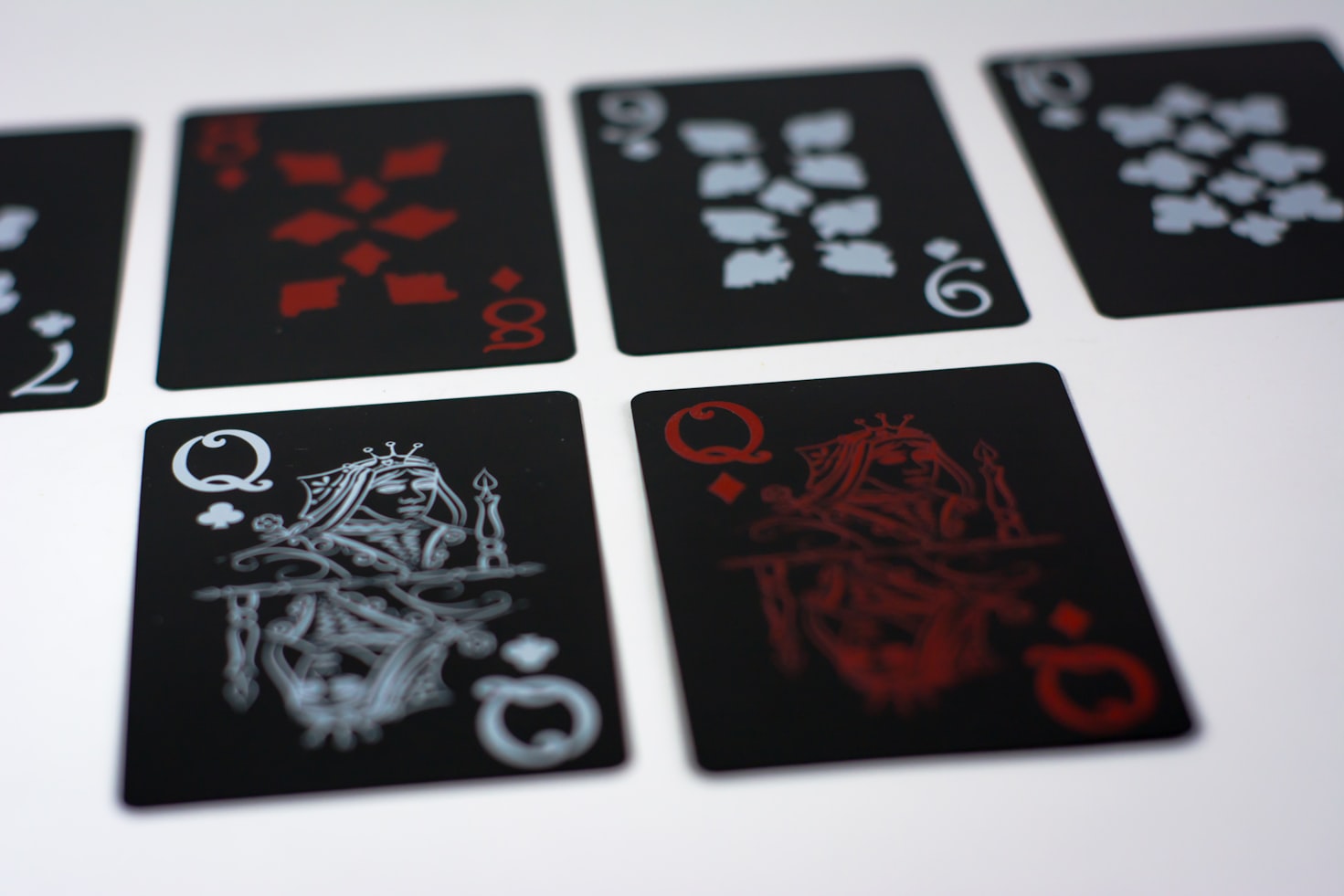
Additionally, gamblers may exhibit cognitive biases that alter their perception of risk. For instance, the gambler’s fallacy—where one believes that past events can influence future outcomes—can lead to an inflated sense of confidence in their chances of winning. This distorted risk assessment can result in the pursuit of increasingly higher stakes, as individuals underestimate the actual probabilities of losing. Understanding these psychological dynamics is essential for both players and researchers interested in the gambling environment.
Furthermore, the context in which gambling occurs can significantly affect risk perception. Settings like casinos often heighten sensory stimuli, creating an atmosphere that can lead to impulsive decisions. Players may feel a rush of excitement that overshadows their rational evaluation of risk, contributing to a potentially harmful cycle of behavior. Understanding how these contextual factors impact perception can help in designing safer gambling environments.
Several psychological factors shape an individual’s behavior in gambling scenarios, with risk perception being a pivotal element. Motivation plays a significant role; individuals may gamble for various reasons, such as thrill-seeking, social interaction, or financial gain. Each of these motivations can lead to differing perceptions of risk. For example, thrill-seekers may embrace higher risks for the excitement, while those focused on financial outcomes might engage in more calculated decision-making processes. In this context, non gamblock casinos offer unique opportunities for diverse gaming experiences.
Moreover, emotional states significantly influence how gamblers perceive risk. Anxiety, excitement, and even boredom can affect decision-making. For instance, a person experiencing high anxiety may become risk-averse, avoiding games that appear too volatile, while someone in a euphoric state might take on greater risks than they normally would. These emotional fluctuations demonstrate how psychological well-being directly impacts gambling decisions.
Additionally, social factors, such as peer pressure or cultural beliefs about gambling, can further alter risk perceptions. Individuals may feel compelled to gamble in certain environments due to societal expectations or group dynamics. The collective behavior of a group can lead to riskier decisions than if individuals were gambling alone, highlighting the importance of understanding social influences in the context of risk perception.
Cognitive biases are systematic errors in thinking that can affect the judgment and decision-making processes of gamblers. One of the most common biases is the overconfidence bias, where individuals believe they have a greater chance of winning than statistics indicate. This overconfidence can drive players to take risks that they would otherwise avoid if they were more accurately aware of the odds.
Another significant cognitive bias is the availability heuristic, which influences risk perception based on recent experiences or memorable outcomes. Gamblers might recall a recent big win, leading them to believe they are on a lucky streak. This can skew their perception of risk, prompting them to gamble more frequently or with larger sums than they would if they were considering the long-term average of their wins and losses.
Moreover, confirmation bias often plays a role in gambling, as individuals tend to seek information that supports their preconceived notions while ignoring evidence that contradicts them. For instance, a gambler may focus on their wins and downplay losses, fostering an illusion of control over their gambling outcomes. Recognizing these cognitive biases is crucial for developing strategies to mitigate their influence and promote healthier gambling behaviors.
Strategies for Reducing Risk Perception in Gambling
Implementing effective strategies to reduce the negative impacts of distorted risk perception is vital for promoting responsible gambling. One approach is to educate players about odds and probabilities, making them aware of the true likelihood of winning versus losing. Providing clear and accurate information can empower individuals to make informed decisions, reducing the reliance on cognitive biases that can distort risk perception.
Additionally, developing self-regulation techniques can help gamblers manage their emotional responses. Techniques such as mindfulness and emotional awareness can assist individuals in recognizing when they are being driven by impulsive feelings rather than rational thought. By fostering a greater understanding of their emotions, players can make more calculated decisions regarding their gambling activities.
Another effective strategy is the implementation of limit-setting tools, which can encourage players to impose constraints on their gambling behavior. Whether it’s setting time limits or financial caps, these strategies can aid individuals in maintaining control over their gambling activities, helping to align their perceptions of risk with reality. This proactive approach can contribute to healthier gambling habits and ultimately promote a safer gaming environment.
Exploring Non GamBlock Casinos
The landscape of online gambling continues to evolve, with options such as non gamblock casinos gaining popularity among players seeking more freedom and flexibility in their gaming experiences. These platforms provide access to a variety of games without the constraints typically imposed by self-exclusion schemes. Understanding the implications of risk perception within these casinos is crucial, as players may feel less accountable without restrictions.
Non gamblock casinos often offer enticing bonuses and a broader range of gaming options, which can further complicate risk perceptions. Players may be drawn in by the appeal of these offerings, which could cloud their judgment regarding the potential risks involved. Awareness of one’s risk perception in such environments is essential to ensure that enjoyment does not lead to irresponsible behavior.
Ultimately, as players explore their options in non gamblock casinos, understanding the psychological impacts of risk perception is vital. By equipping themselves with knowledge and employing responsible gambling strategies, players can navigate their gaming experiences in a way that balances excitement with caution. This understanding will contribute to a more enjoyable and safer gambling journey, allowing individuals to make informed choices in the vast world of online gaming.
“`
